
The Complete Guide to Authentic Szechuan Cuisine: Málà, Ingredients & Flavor Profiles
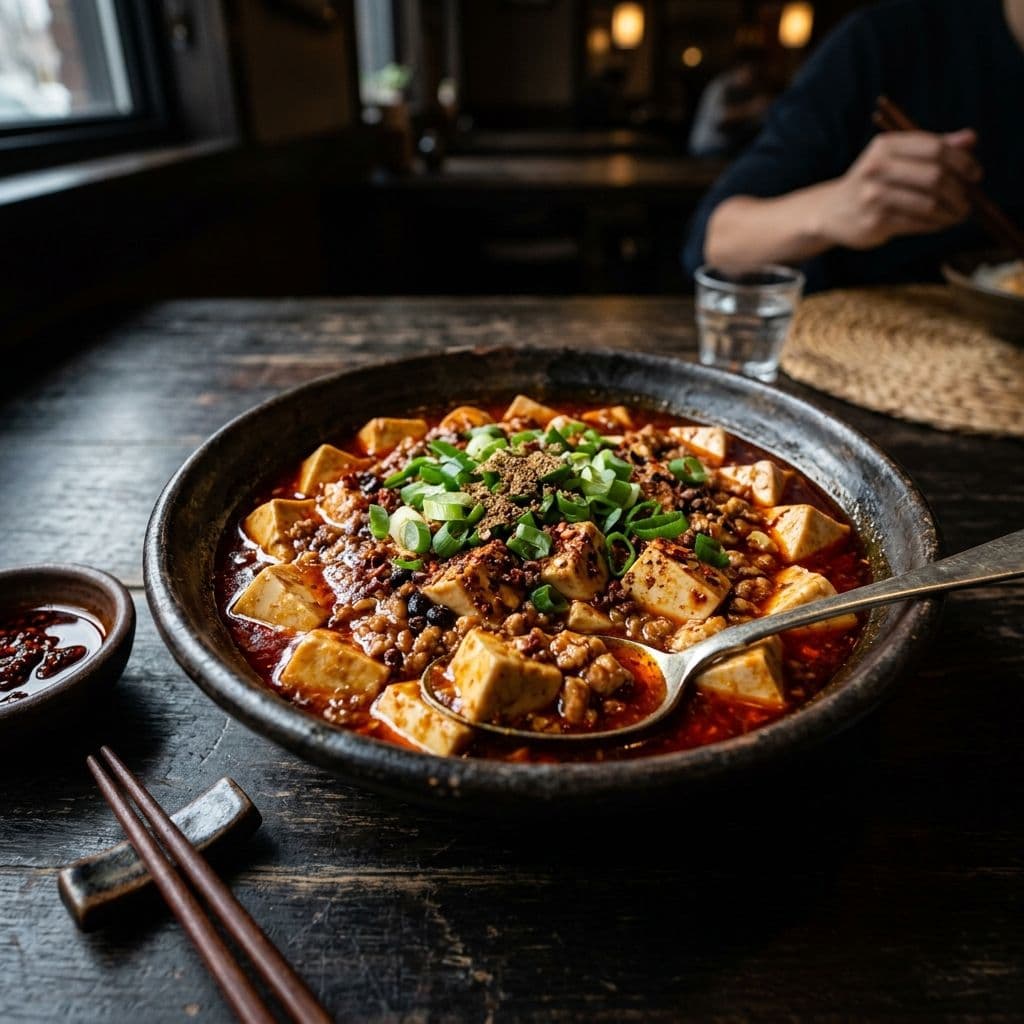
Authentic Szechuan (Sichuan) cuisine is often simplified in the West as simply “spicy Chinese food.” In reality, Sichuan cookery is one of the most sophisticated, multifaceted regional culinary traditions in the world. As the Chinese proverb declares: “China is the place for food, but Sichuan is the place for flavor” (食在中国,味在四川).
Behind the vibrant red oils and tingling chilies lies a centuries-old culinary philosophy built on the harmony of opposing sensations, complex fermented bases, and master-level temperature control in high-heat woks. At China Jade in Derwood, Maryland, our kitchen stays faithful to the authentic techniques of Chengdu and Chongqing.
The Science and Magic of Málà (麻辣)
The most iconic sensory hallmark of Sichuan food is málà (麻辣). The word is composed of two distinct Chinese characters representing two completely different physiological sensations:
Má (麻) — Numbing Vibration
Derived from Sichuan peppercorns. Not a real pepper, but the dried reddish-brown husk of a prickly ash citrus shrub (Zanthoxylum). It contains a bioactive chemical compound called hydroxy-alpha-sanshool, which activates tactile mechanoreceptors on your tongue, producing a 50-hertz tingling numbness similar to touching a mild battery terminal.
Là (辣) — Fiery Pungency
Derived from sun-dried Sichuan chilies (such as Facing Heaven chilies and Erjingtiao chilies). Rich in capsaicin, which binds to TRPV1 heat receptors, producing sharp, glowing thermal heat and stimulating salivary and endorphin responses.
When má and là are paired together, culinary alchemy occurs: the numbing sanshool calms the tongue's heat receptors, allowing you to taste the deep aromatic nuances of garlic, ginger, and fermented beans without being overwhelmed by pure chili burn.
The Soul of Sichuan Cooking: Pixian Doubanjiang (郫县豆瓣酱)
If Sichuan peppercorns are the crown of the cuisine, Pixian Doubanjiang is its beating heart and soul.
Originating in Pixian (now Pidu District of Chengdu), this dark, mahogany-red fermented paste is crafted exclusively from fermented broad beans (fava beans), fresh Erjingtiao red chilies, wheat flour, and salt. The mixture is aged outdoors in large glazed terracotta urns for anywhere from 12 months to 3 years. Every morning, artisans stir the mash to expose it to sunshine and mountain air, and cover it at night to allow dew to settle.
This intensive aging generates profound levels of natural glutamate, resulting in deep, rich umami, savory earthiness, and a deep ruby hue when bloomed in hot oil. It forms the flavor foundation for China Jade's Mapo Tofu, Twice-Cooked Pork, and Spicy Cumin Beef.
Taste True Málà in Derwood, MD
Experience genuine imported Sichuan peppercorns and authentic aged Pixian doubanjiang. Our chefs prepare traditional Chengdu and Chongqing specialties daily at 16805 Crabbs Branch Way.
View Sichuan Specialties on Our MenuBeyond Heat: The Seven Fundamental Flavor Profiles of Sichuan
Sichuan master chefs identify at least 23 compound flavor profiles in traditional cuisine. Here are the seven most famous that you will discover at China Jade:
1. Málà (麻辣味) — Numbing & Fiery
The classic synergy of Sichuan peppercorns, dried chilies, and chili oil. Showcased in Mapo Tofu, Dan Dan Noodles, and Chengdu Cold Spicy Chicken.
2. Yúxiāng (鱼香味) — “Fish-Fragrant” Sweet, Sour & Garlicky
Contains zero fish. Named after the traditional seasoning used in Sichuan fish dishes: pickled red chilies, garlic, ginger, scallions, sugar, and black vinegar. Famous in our Fish-Fragrant Eggplant and Shredded Pork in Garlic Sauce.
3. Jiācháng (家常味) — Homestyle Savory
Mellow, comforting, and savory. Relies on doubanjiang, fermented black beans, and soy sauce without intense pepper numbness. Represented by Homestyle Braised Tofu and Twice-Cooked Pork.
4. Suānlà (酸辣味) — Hot & Sour
Sharp acidity from aged Chinkiang black rice vinegar balanced by the biting pungency of ground white pepper and red chili oil. Found in traditional Hot and Sour Soup and Sour Cabbage Fish.
5. Guàiwèi (怪味) — “Strange Flavor” Multi-Note Harmony
A playful balancing act where sweet, sour, salty, numbing, bitter, spicy, and nutty sesame pasty notes hit the palate simultaneously. A traditional dressing for cold chicken or poached beef appetizers.
6. Chénpí (陈皮味) — Dried Tangerine Peel
Sun-dried, aged citrus peel wok-fried with dried chilies and rice wine. Imparts a bittersweet, fragrant herbal warmth to beef and chicken.
7. Tángcù (糖醋味) — Sweet & Sour
Delicate caramelization of rock sugar with fragrant vinegar and ginger juice. A classic non-spicy preparation for whole crispy fish and spare ribs.
Szechuan vs. Cantonese: How Do They Differ?
Many diners ask about the difference between Szechuan and Cantonese cooking. Both are among China's Four Great Culinary Traditions, but they represent entirely different philosophies:
| Attribute | Szechuan (Sichuan) | Cantonese (Guangdong) |
|---|---|---|
| Primary Focus | Complex, bold multi-layered seasonings | Natural sweetness and freshness of ingredients |
| Signature Spices | Sichuan peppercorn, red chilies, doubanjiang | Ginger, scallions, superior soy sauce, oyster sauce |
| Heat Level | Medium to intense (málà) | Mild, delicate, rarely spicy |
| Cooking Methods | Dry-frying, water-boiling, smoking, braising | Steaming, roasting, quick-tossing (Wok Hei) |
| Iconic China Jade Dishes | Mapo Tofu, Kung Pao Chicken, Dan Dan Noodles | Moo Goo Gai Pan, Beef Chow Fun, Steamed Fish |
Frequently Asked Questions About Szechuan Cuisine
Is all Szechuan food fiercely spicy?
No. In fact, over one-third of classic Sichuan recipes are completely non-spicy, celebrating sweet-and-sour, garlic-scented, or delicate broth flavors. Dishes like Duck with Lotus Root and Sweet Fermented Rice Soups are entirely mild.
What can I do if a dish is too spicy?
Capsaicin is fat-soluble, not water-soluble. Drinking ice water will only spread the spice. The best remedies are dairy (milk or soy milk), starch (warm jasmine white rice), or a sip of sweet tea.
Are Sichuan peppercorns safe for children or people with allergies?
Sichuan peppercorns are non-toxic citrus relatives. The tingling sensation is completely harmless, but for guests who prefer to avoid it, we can omit peppercorns upon request.