
What to Order at China Jade: Signature Dishes, Origins & Ordering Guide
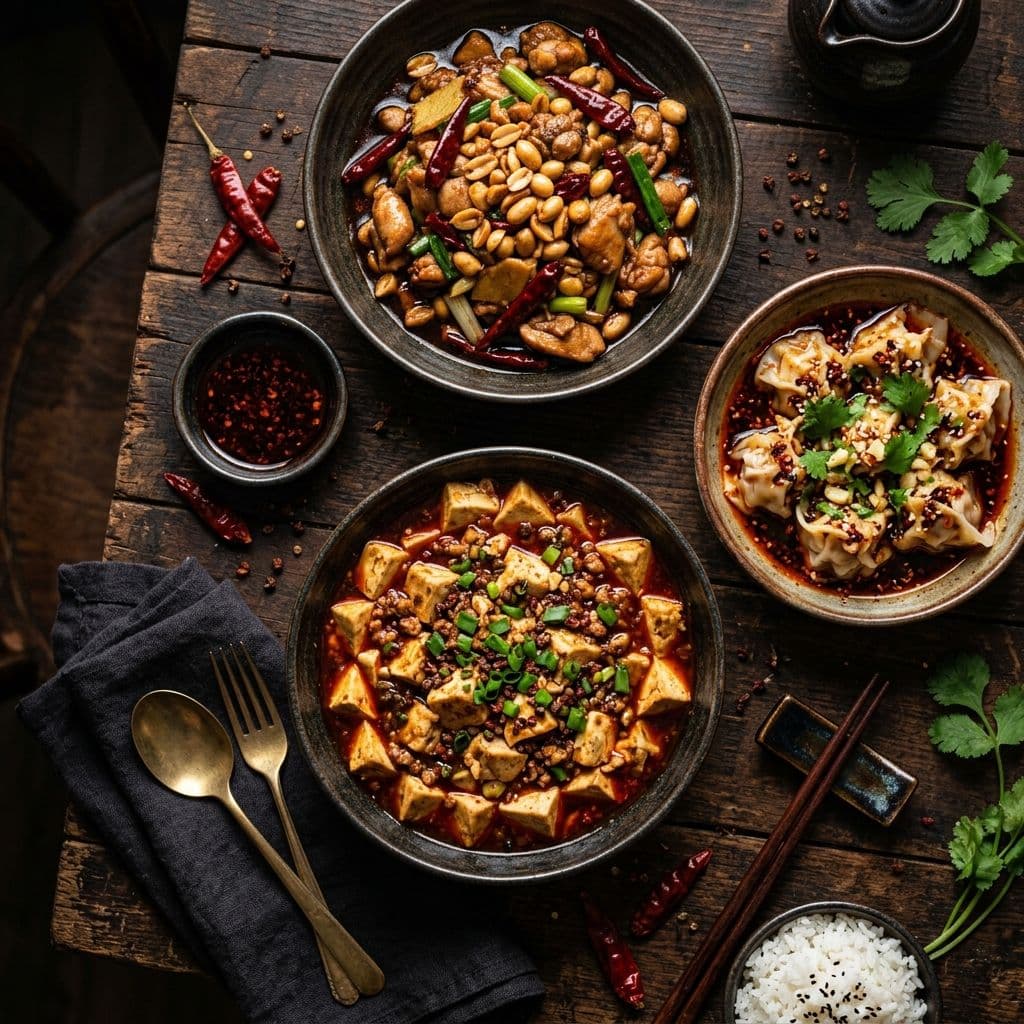
With more than 100 items on the menu spanning appetizers, soups, authentic Sichuan specialties, Cantonese seafood, and Chinese-American staples, walking into China Jade for the first time can feel delightfully overwhelming.
To help both newcomers and seasoned diners navigate our kitchen, our executive culinary team has compiled this authoritative guide to our most celebrated signature dishes. Here are the origins, flavor profiles, and insider ordering tips for the culinary masterpieces our regulars order visit after visit.
1. Authentic Mapo Tofu (麻婆豆腐)
The Origin: Created in the 1860s during the Qing Dynasty by Mrs. Chen, a restaurant owner in northern Chengdu whose face bore slight pockmarks (mázi). Travelers praised her fiery, silky bean curd so effusively that the dish took her nickname: Mápó Dòufu (Pockmarked Old Woman's Tofu).
Flavor Profile & Technique: Tender, velvety soft tofu cubes are blanched in salted water to firm their exterior, then gently braised in a bubbling sauce of aged Pixian fermented broad bean paste (doubanjiang), fermented black beans (douchi), minced pork, and rich bone stock. Just before serving, it is dusted generously with freshly toasted, stone-ground green and red Sichuan peppercorns.
How to Order: Spoon it over steaming jasmine white rice. The contrast of velvety, molten tofu with the electric numbness of the peppercorns is the absolute standard of Sichuan gastronomy.
2. Traditional Kung Pao Chicken (宫保鸡丁)
The Origin: Named in honor of Ding Baozhen (1820–1886), a Qing Dynasty official who served as Governor of Sichuan. His official court title was Gōngbǎo (“Palace Guardian”). Ding loved diced chicken stir-fried with peanuts and fiery chilies.
The Authentic Difference: In Americanized Chinese restaurants, Kung Pao Chicken is often drowned in a thick, cloying brown sauce packed with celery and bell peppers. At China Jade, our Sichuan master chefs prepare it the traditional way: dark meat chicken thigh diced into bite-sized cubes, flash-fried in a searing wok with whole Facing Heaven dried chilies, roasted peanuts, and scallion whites. The sauce is a delicate húlà (scorched chili) glaze—slightly sweet, delightfully tangy from black vinegar, and humming with wok smoke.
3. Twice-Cooked Pork (回锅肉)
The Origin: Often voted by Sichuan natives as the undisputed king of homestyle cooking. The name huíguō ròu literally translates to “meat that returns to the wok.”
Flavor Profile & Technique: Premium slab pork belly is first simmered in water with fresh ginger root, scallions, and Shaoxing rice wine until tender. It is chilled, sliced into paper-thin ribbons, and returned to a blazing wok where the fat crisps and curls into “lantern shapes.” It is wok-tossed with fermented black beans, Pixian chili paste, sweet bean paste, and tender green leeks. Savory, aromatic, and rich.
Ready to Taste China Jade's Best?
Order our award-winning Mapo Tofu, Kung Pao Chicken, or Twice-Cooked Pork tonight. Available for dine-in, carryout, and fast local delivery.
Order Online Now4. Dan Dan Noodles (担担面)
The Origin: Born in Chengdu in the 1840s, named after the bamboo shoulder poles (dàn) that walking street hawkers balanced across their backs, carrying noodle pots on one end and boiling broth and seasonings on the other.
Flavor Profile & Technique: Springy wheat noodles served over a concentrated sauce of roasted sesame paste, chili oil, dark soy sauce, and aromatic black vinegar. Crowned with crisp stir-fried minced pork and chopped yácài (preserved fermented mustard greens from Yibin). Mix thoroughly from the bottom before taking your first bite to coat every strand in spicy, nutty goodness.
5. Crispy Peking Duck (北京烤鸭)
The Origin: Imperial Beijing dining at its finest. Once reserved exclusively for emperors and royal banquets in the Forbidden City, roast duck is treasured for its crackling, wafer-thin skin.
Flavor Profile & Technique: Whole ducks are air-dried, seasoned with maltose syrup, and roasted at high heat until the skin transforms into a glistening, crackling amber-gold sheath while the meat stays exceptionally tender and juicy. Served carved with warm, pillowy steamed lotus leaf buns or delicate mandarin pancakes, fresh scallion brushes, cucumber slivers, and savory hoisin sauce.
6. Traditional Hot and Sour Soup (酸辣汤)
The Origin: Originating in northern China as a restorative winter broth, true Hot and Sour Soup owes its punch not to black pepper or hot sauce, but to aged Chinkiang black rice vinegar and ground Chinese white pepper (báihújiāo).
Flavor Profile & Technique: A rich, velvety chicken and pork bone stock studded with ribbons of silken tofu, shredded wood ear mushrooms, bamboo shoots, and delicate egg drop ribbons. The bright vinegar tang awakens your appetite while the white pepper delivers a lingering, warming throat warmth without overpowering other dishes on your table.
How to Build the Perfect Balanced Table at China Jade
When ordering for a party of two, four, or six, our chefs recommend balancing dishes across the temperature, texture, and flavor spectrum:
- One Fiery Málà Showstopper: Mapo Tofu, Water-Boiled Fish, or Spicy Cumin Beef.
- One Savory Homestyle Meat: Twice-Cooked Pork, Kung Pao Chicken, or Beef with Broccoli.
- One Fresh Green Vegetable: Sautéed String Beans with Minced Pork, Garlic Baby Bok Choy, or Eggplant in Garlic Sauce.
- One Comforting Starch or Soup: Dan Dan Noodles, Hand-Pleated Xiao Long Bao, or a comforting bowl of Hot and Sour Soup.