
Chinese-American Classics: The History & Craft Behind General Tso, Lo Mein & Egg Rolls
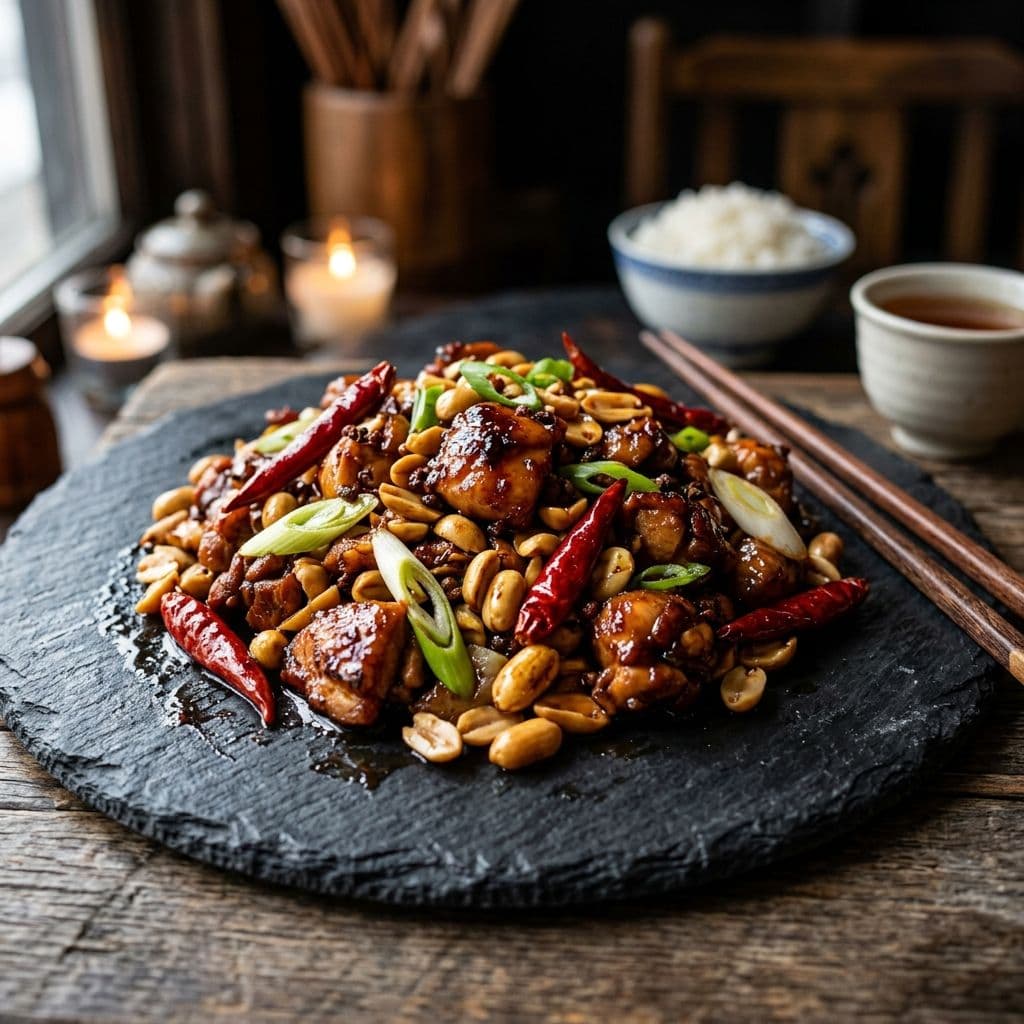
Chinese-American cuisine is not an inauthentic imitation of regional Chinese cooking; it is a distinct, storied culinary tradition with more than 150 years of innovation. Born in the gold-rush and railroad camps of 19th-century California and perfected by immigrant restaurateurs adapting Chinese cooking techniques to American ingredients, these dishes hold a cherished place in dining history.
At China Jade, our wok masters approach Chinese-American classics with the exact same high-heat discipline, fresh ingredient sourcing, and knife skills that we bring to our authentic Sichuan specialties. Here is the true history and kitchen craft behind four of America's most beloved Chinese dishes.
1. General Tso's Chicken: The Real Story Behind the Legend
Contrary to popular belief, General Tso's Chicken was never eaten by the 19th-century Qing Dynasty military general Zuo Zongtang (General Tso). The dish was actually invented in Taipei, Taiwan in 1952 by legendary Hunanese chef Peng Chang-kuei.
During a state banquet for U.S. Admiral Arthur Radford, Chef Peng needed an original chicken dish. He flash-fried dark meat chicken and tossed it with garlic, ginger, soy sauce, and fiery dried Hunan chilies, naming it after the most famous historical hero of his home province of Hunan. At the time, Peng's original recipe was salty, sour, spicy, and not sweet at all.
In the early 1970s, chefs in New York City (notably at Shun Lee Palace) adapted Peng's recipe for American palates: they battered the chicken for extra crunch and added sugar to balance the vinegar and heat. At China Jade, our chefs strike the golden balance—crispy chicken chunks bathed in a fragrant, tangy garlic glaze with whole dried chilies that deliver genuine wok warmth without cloying sweetness.
2. Lo Mein vs. Chow Mein: Understanding the Wok Technique
While both dishes use fresh wheat-and-egg noodles, their cooking methods split at the wok:
Lo Mein (捞面 — “Stirred / Tossed Noodles”)
Boiled noodles are drained, added directly to a hot wok at the very end of cooking, and gently tossed with flash-fried meats, cabbage, onions, and a rich, dark soy and sesame sauce. The noodles absorb the savory sauce while remaining soft, glossy, and silky.
Chow Mein (炒面 — “Pan-Fried Noodles”)
Noodles are parboiled, drained, and fried in hot oil until golden-brown and crackling crisp. Stir-fried meats and crisp vegetables in a thickened savory sauce are ladled over the top, creating a delightful contrast between crispy crunch and tender sauce.
Experience Classic Comfort Done Right
Taste fresh, high-heat wok-tossed General Tso's Chicken, Beef with Broccoli, and Lo Mein tonight at China Jade in Derwood, MD.
View Chinese-American Classics3. Egg Rolls vs. Spring Rolls: Crust, Filling & Heritage
Though often grouped together under appetizers, egg rolls and spring rolls come from completely different culinary lineages:
- Traditional Spring Rolls (春卷 / Chūnjuǎn): Dating back to the Jin Dynasty, spring rolls were seasonal rolls eaten during Spring Festival to celebrate the arrival of spring vegetables. Wrapped in paper-thin, translucent wheat or rice flour dough, they fry into a delicate, blister-free, shatteringly crisp golden shell filled with shredded cabbage, carrots, and mushrooms.
- American Egg Rolls: Invented in Chinese-American kitchens in the 1930s (likely in New York). The wrapper is significantly thicker, enriched with egg and wheat flour, which produces distinctive bubbly blisters when deep-fried. The interior is denser and heartier, packed with seasoned pork, cabbage, and five-spice aromatics.
4. Moo Goo Gai Pan (蘑菇鸡片): The Art of Cantonese Velveting
One of the oldest Cantonese dishes in American dining, Moo Goo Gai Pan literally translates to “button mushrooms (mógu) and chicken slices (jīpiàn).”
The brilliance of this dish lies in the traditional Cantonese technique of velveting (上浆 / shàngjiāng):
- Boneless chicken breast is sliced paper-thin across the grain.
- The meat is marinated in egg white, Shaoxing wine, and cornstarch, creating a microscopic protective barrier.
- The chicken is briefly flash-poached in hot oil or water for seconds. The coating locks in all moisture, resulting in chicken that is incredibly tender, juicy, and silky (“velvety”).
- The meat is wok-tossed with fresh button mushrooms, snow peas, bamboo shoots, and crunchy water chestnuts in a delicate, crystal-clear garlic and chicken stock glaze.
Because it is light, completely non-spicy, and packed with garden-fresh vegetables, Moo Goo Gai Pan remains a perennial favorite for health-conscious diners and children.
Frequently Asked Questions
Is General Tso's Chicken available with white meat?
Yes! While dark meat thigh is traditional for maximum juiciness, we are happy to prepare General Tso's Chicken with white meat chicken breast upon request.
Are your egg rolls made fresh in-house?
Yes, our crispy egg rolls and spring rolls are rolled and fried fresh daily in our kitchen.